
Randy Stone • April 8, 2026
Ambiguity vs Clarity

Ambiguity vs. Clarity: The Hidden Battle in Church Leadership
By Randy Stone, Lead Consultant and Coach, Strategic Church Solutions
Every church fights two unseen battles: the battle for the gospel and the battle for clarity.
The first protects truth.
The second protects trust.
Many pastors assume that because their hearts are clear, their people are too. But that’s rarely true. Vision that is not clearly communicated becomes ambiguous—and ambiguity silently erodes alignment, morale, and mission.
“What leaders leave undefined, people will redefine.”
Ambiguity isn’t just confusion—it’s the seedbed for division. Clarity, on the other hand, creates confidence, unity, and focus. The choice between the two shapes everything about how a church leads, follows, and grows.
1. Ambiguity: The Silent Saboteur
Ambiguity creeps in quietly. It doesn’t announce itself in board meetings or business sessions. It hides behind phrases like:
• “Everyone knows what we mean.”
• “We’ve always done it that way.”
• “I thought that was obvious.”
But when vision is assumed rather than articulated, interpretation replaces intention. Different leaders begin pulling in different directions—all believing they’re right. Ministries compete for attention. Staff second-guess decisions. Volunteers grow weary and uncertain.
“Ambiguity is the fog that makes good people walk in circles.”
Ambiguity drains emotional energy. It replaces momentum with maintenance. Over time, it breeds cynicism because people stop trusting what they can’t clearly understand.
2. Clarity: The Currency of Trust
Clarity doesn’t mean simplicity—it means definition.
It’s the leader’s responsibility to take complex realities and communicate them in ways people can follow and apply.
When vision is clear, energy is released.
When roles are clear, responsibility is owned.
When policies are clear, fairness is trusted.
Clarity brings peace because people know what’s expected and where the ministry is going. It reduces speculation, protects relationships, and accelerates mission alignment.
“Clarity doesn’t control people—it frees them to lead confidently.”
Churches that thrive in clarity have fewer meetings about “who said what” and more meetings about “what we’re going to do next.”
3. Why Leaders Resist Clarity
It seems odd—why wouldn’t every pastor and team leader choose clarity?
Often it’s because clarity feels costly.
Clarity forces decisions:
• Who’s in charge?
• What do we measure?
• What’s our mission priority?
• What do we stop doing?
Many leaders avoid clarity because it invites accountability. Once expectations are named, results can be measured. Ambiguity, on the other hand, provides cover. It lets everyone claim success without defining it.
But clarity is an act of courage. It demands conviction. It means saying, “This is who we are, what we value, and how we lead.” Without it, even good intentions produce poor results.
“Ambiguity protects comfort. Clarity protects mission.”
4. The Spiritual Side of Clarity
Clarity isn’t just a management issue—it’s a discipleship issue.
God is not a God of confusion but of peace (1 Cor. 14:33). Jesus communicated His mission plainly: “The Son of Man came to seek and to save the lost.” Paul wrote letters clarifying theology so believers could live out the truth with confidence.
In Scripture, clarity always accompanies revelation. When God speaks, light shines. When leaders communicate clearly, people walk in light rather than shadow.
Clarity honors people by respecting their need to understand. It honors God by stewarding truth faithfully.
5. Building a Culture of Clarity
Clarity isn’t created in one sermon—it’s cultivated over time.
Churches must build systems that sustain clarity in every area:
• Vision Clarity: Everyone knows why we exist and what we’re pursuing.
• Role Clarity: Everyone knows what’s expected and who leads what.
• Policy Clarity: Everyone knows how decisions are made and how fairness is maintained.
• Communication Clarity: Everyone knows where to find accurate information.
Leaders who practice clarity don’t just manage—they equip. They create an atmosphere where people can serve without guessing and follow without frustration.
“Clarity turns followers into partners.”
6. Moving Forward: From Fog to Focus
The most effective churches are not always the most creative—they’re the most clear. They know who they are, where they’re going, and how they’ll get there.
Clarity builds confidence. Confidence builds trust. Trust builds unity. And unity builds momentum.
If your team is tired, tense, or unsure, the issue may not be effort—it may be ambiguity.
Ask yourself:
• Do our leaders hear one message or many?
• Do our people know what “success” looks like here?
• Are our policies predictable and consistent?
Wherever you find fog, shine light. Wherever you find confusion, clarify truth.
Because in the end…
Ambiguity divides. Clarity unites.
About Strategic Church Solutions
Strategic Church Solutions helps churches develop healthy systems, empowered teams, and mission-driven leaders.
Learn more at www.strategicchurchsolutions.com

Generational Gap or Cultural Collision: Understanding Young Adults as a Culture Group

Every healthy church group needs a Connection Catalyst—someone who notices newcomers, follows up with the missing, and helps people move from attending to belonging.

Close-knit small groups can become closed-off when they stop welcoming new people. Learn how churches can protect warmth, openness, and mission in group life.

Close-knit groups are healthy until they become closed-off. Learn how churches can keep small groups open, mission-minded, and welcoming to new people.

Transactional ministry may attract people, but relational ministry helps churches make lasting disciples.

See how clear vision, values, and expectations help church leaders build confidence, unify teams, and create a culture of cooperation and collaboration.
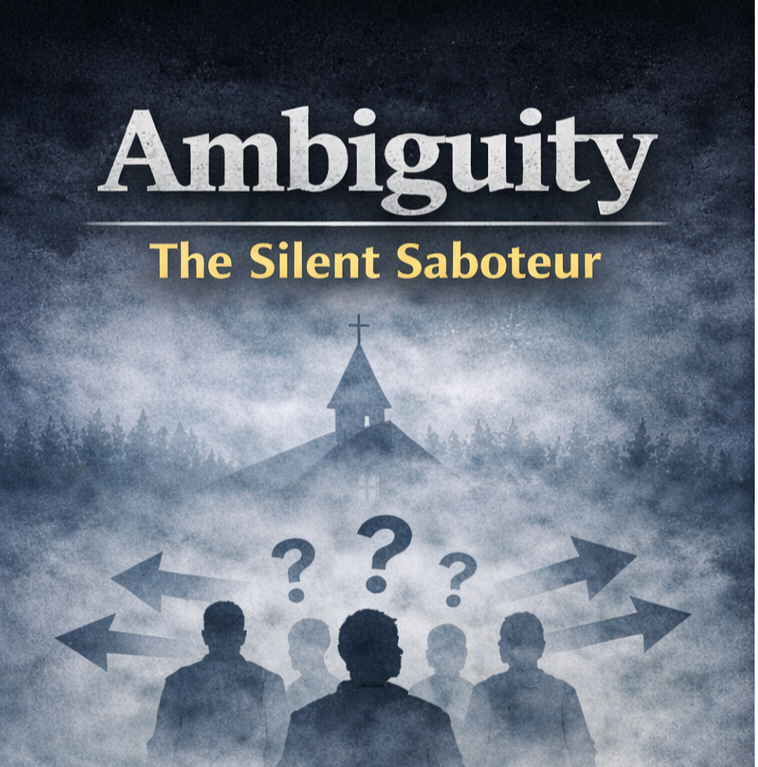
Ambiguity in church leadership leads to confusion, frustration, and animosity. See how clarity builds confidence, consistency, and unity.

Explore the danger of “asymptomatic Christianity” and why churches must move beyond belief alone to cultivate visible, obedient, life-changing faith in everyday living.

Learn why wise, timely, Spirit-led decisions are essential for healthy ministry leadership. Discover how decisions shape direction, strengthen organizational health, and move churches toward greater mission impact.

Many believers get stuck in “arrested development” when hurts, habits, and hang-ups derail growth. Discover a biblical path to healing, renewal, and maturity.
